

Cognitive Behavioral Therapy (CBT)


My Approach to Therapy
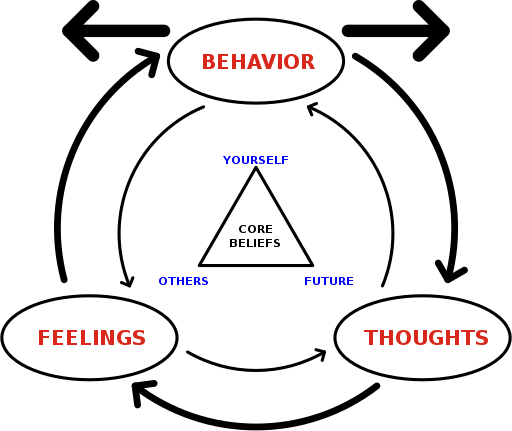
My primary therapeutic approach is Cognitive Behavioral Therapy (CBT), an evidence-based treatment that focuses on understanding the relationships among thoughts, emotions, and behaviors. Through this process, we work collaboratively to identify patterns that may be contributing to difficulties and explore meaningful changes that support your well-being.
While CBT provides the foundation for my work, I integrate strategies from other therapeutic approaches based on your individual needs. For example, I may draw from Narrative Therapy to help you separate your identity from the problems you are experiencing, recognize your strengths, and explore alternative ways of understanding your experiences. I may also incorporate principles from Acceptance and Commitment Therapy (ACT) to help you clarify your personal values and take meaningful steps toward living in alignment with them.
Change is not always easy, and it is natural to experience uncertainty or mixed feelings about making changes, even when current patterns are causing distress. When this occurs, I may use Motivational Interviewing strategies to help you explore these feelings and strengthen your motivation for change. I approach this process with compassion, recognizing that readiness for change develops at different rates. We work at a pace that respects your comfort while gradually moving toward your goals.
Above all, I recognize that you are the expert in your own life. My role is to provide professional guidance, support, and evidence-based strategies while helping you develop greater insight, make intentional choices, and move toward the life you want to live.

Areas of Clinical Focus
My primary areas of clinical focus are anxiety, depression, and insomnia. I provide evidence-based Cognitive Behavioral Therapy (CBT) tailored to each individual's needs and treatment goals.
Certain conditions, including Obsessive-Compulsive Disorder (OCD), eating disorders, Bipolar Disorder, schizophrenia, and Post-Traumatic Stress Disorder (PTSD), often benefit from specialized treatment approaches and resources beyond those offered at my practice. Individuals seeking treatment for these conditions are encouraged to consult with their healthcare provider for referrals to clinicians or treatment programs that specialize in these areas.
What to Expect During Therapy

Initial Session: Assessment and Determining Fit
The initial session is approximately 55 minutes and provides an opportunity for us to get to know one another. During this time, I will gather information about your current concerns, relevant personal history, and the challenges that have brought you to therapy. We will also discuss your goals and expectations for treatment.
An important purpose of this session is to determine whether my clinical expertise and therapeutic approach are a good fit for your needs. Scheduling or attending an initial session does not guarantee that ongoing treatment will be offered. If I determine that your needs would be better served by another clinician or a more specialized service, I will provide recommendations and referral information to help guide your next steps.
Although the initial assessment is generally completed during the first session, additional sessions may occasionally be needed to gain a more comprehensive understanding of your concerns and determine the most appropriate course of care.
Collaborative Treatment Planning
If we mutually decide to proceed with therapy, we will work together to establish meaningful treatment goals based on your individual needs, priorities, and desired outcomes. These goals will guide our work and provide a framework for monitoring progress and making adjustments as needed
Ongoing Therapy Sessions
Follow-up sessions are generally 45 minutes, although longer sessions may occasionally be recommended based on your individual needs and the complexity of the concerns being addressed.
Therapy provides a supportive, nonjudgmental environment where you can openly explore your thoughts, feelings, and experiences. Through collaborative conversations and guided discovery, we will work toward developing a deeper understanding of the patterns that may be contributing to your difficulties.
Depending on your needs and treatment goals, sessions may incorporate a variety of strategies, including psychoeducation, relaxation exercises, mindfulness and meditation practices, and therapeutic storytelling. We will also explore practical ways to apply what you learn in therapy to your daily life.
Throughout the process, my goal is to help you develop greater self-awareness, strengthen your coping skills, and make meaningful changes that support your well-being.

Mental Health Screening Tools
Mental Health America offers free online screening tools that may help you better understand your symptoms and identify concerns you would like to discuss with your healthcare provider. These screenings are not diagnostic but can serve as a helpful starting point for conversations about your mental health and potential next steps.